
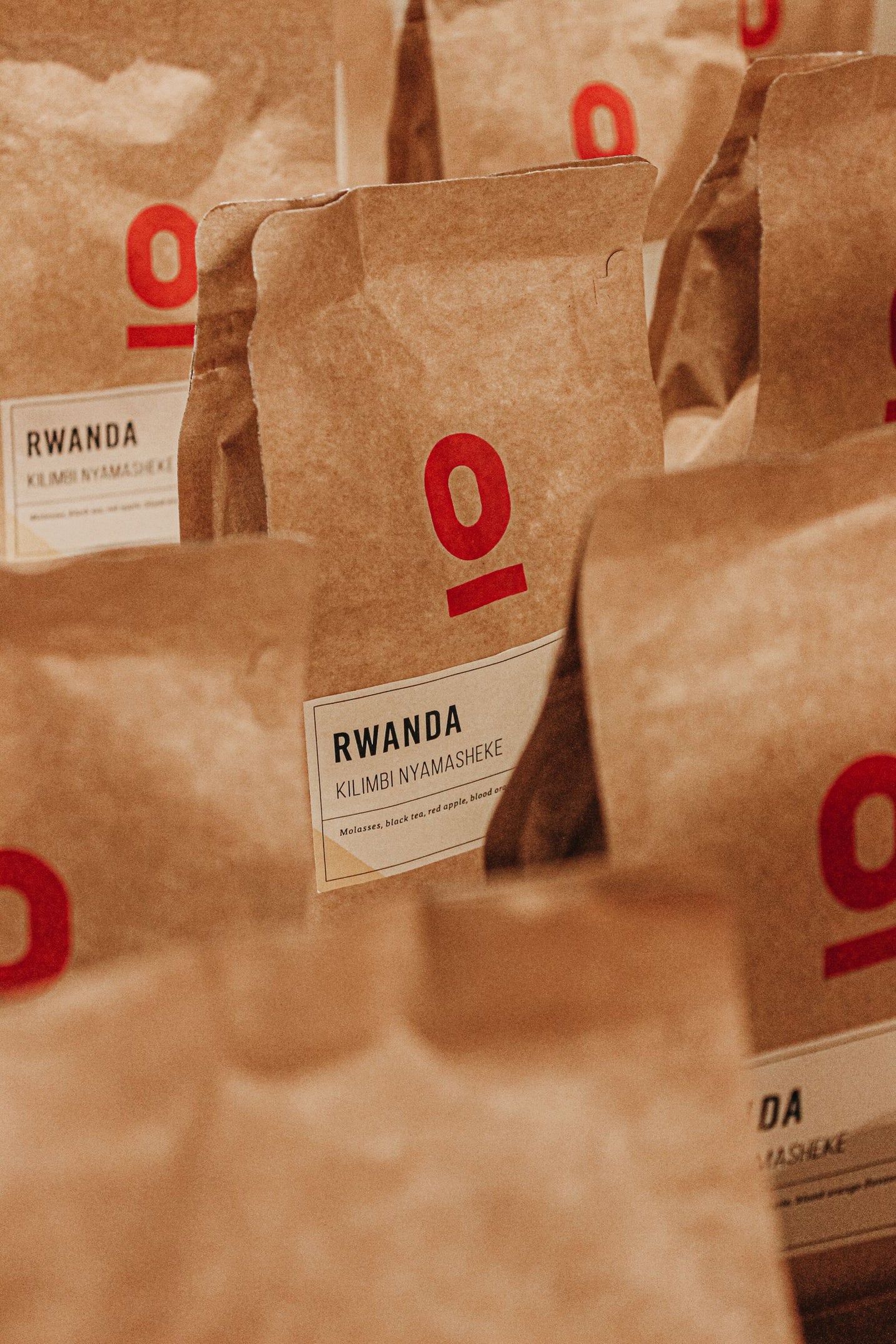
The short answer: coffee straight off the roaster is still venting carbon dioxide, and that gas disrupts your brew. If your shots gush and taste thin, or your bloom erupts like a science-fair volcano, the beans are probably too fresh. Rest whole beans before brewing: about 7 to 14 days after roast for espresso, 3 to 10 for filter.
Most brewing advice worries about coffee getting old. This is the opposite problem, and it trips up people who just found a roaster they love and started buying beans days out of the roaster. Here is the symptom, the fix, and how to decide the right rest for your beans.
What does 'too fresh' coffee taste like?
The tell is a set of symptoms that show up together. On espresso, the shot runs fast and pale, gushing and channeling even when your grind and dose look right, and it tastes sour, thin, or sharp rather than sweet. On pour over and other filter methods, the bloom swells dramatically and the bed churns with bubbles, water races through unevenly, and the cup lands hollow.
All of that traces to one cause: carbon dioxide. Roasting creates a large volume of gas inside the bean, and the coffee spends days to weeks releasing it. Brew before enough has escaped and the gas physically pushes water away from the grounds, so the water cannot soak in and pull out the flavor evenly. You get uneven extraction, which reads as sour and weak. If sour is your main complaint, our field guide to fixing a shot by taste pairs well with this, since freshness is one of the hidden causes it points to.
How long should you rest coffee after roasting?
Rest whole beans, in the bag, and let time do the work. Our verdicts by method:
| Brew method | Rest after roast date | Why |
|---|---|---|
| Espresso | 7 to 14 days as a starting point; some coffees need longer | Espresso can be especially sensitive to gas; follow the roaster's guidance |
| Pour over / filter | 3 to 10 days | Longer water contact tolerates more gas, so filter comes good sooner |
| Immersion (French press, AeroPress) | 3 to 10 days | Full-immersion steeping is forgiving of a little extra gas |
These are windows, not switches. Perfect Daily Grind's explainer on degassing lands in the same place: espresso generally wants at least 5 to 7 days, with competition baristas resting 10 to 21 days, while filter coffee can be good just 1 to 2 days off the roaster (read it here). Start at the early edge of the window and taste every day or two. When the sourness lifts and the sweetness and body arrive, you have found the sweet spot for that bag.
The practical routine is calmer than it sounds, and it costs nothing. When a new bag arrives, check the roast date on the label. If the beans are only a few days old and you pull espresso, set the bag aside and brew your older coffee first. No timers, no calendar reminders, just a habit of letting the newest bag wait its turn. Buy on a rolling schedule so a rested bag is always ready and you are never forced to brew coffee that is still gassy. If you buy directly from a roaster and the beans arrive within a day or two of roasting, that waiting habit matters most. If you buy from a shelf where the coffee has already had time to settle, you may find it is rested and ready the moment you open it.
What does the science say about degassing?
Second Look is our coffee science series in the Journal. Here is the receipt behind the advice. A 2018 study in the Journal of Agricultural and Food Chemistry by Samo Smrke, Chahan Yeretzian, and colleagues at the Zurich University of Applied Sciences measured how roasted coffee sheds gas over time (DOI 10.1021/acs.jafc.7b03310). Three findings matter for your morning.
First, whole beans degas slowly. The team tracked release for more than 400 hours, and lighter roasts were still giving off gas weeks later. That slow leak is your friend, because it means whole beans buy you a wide, forgiving window to brew in.
Second, roast profile changes both the amount of gas and how quickly it leaves. The darker whole-bean samples released more gas overall, but they also degassed faster than the lighter samples. More gas does not automatically mean a longer wait. This study measured gas release, not the best day to brew each coffee, so it does not establish a universal light-versus-dark resting rule. Follow the roaster's guidance and use taste to find your window.
Third, and most useful, grinding dumps the gas fast. Up to 75% of the trapped gas escaped during and immediately after grinding, within about 90 seconds. That single number explains the whole ritual: grind fresh right before you brew so you keep the aroma, but rest the beans whole so the coffee is not gassy when you do. Grinding and resting are two different jobs.
Can coffee be too fresh and too old at the same time?
Sort of, and knowing the difference saves you from chasing the wrong fix. Too fresh tastes sour, sharp, and gassy, with a wild bloom. Stale tastes flat, dull, papery, and lifeless, with a bloom that barely rises. They sit at opposite ends of the same timeline. Fresh coffee rests into its peak over one to three weeks, holds for a while, then slowly fades.
If a bag is dull rather than gassy, resting will not help and storage is the lever to pull. Our companion guide on storing beans and when the freezer wins covers that side. And if the cup is simply weak or strong regardless of age, you may be looking at a ratio or grind issue, which our notes on extraction versus strength and dialing in espresso untangle.
Frequently asked questions
How do I know exactly when my beans are ready?
Taste, do not guess. Start brewing at the early edge of the window for your method, then brew again every day or two. When the sourness gives way to sweetness and body fills in, that bag has rested enough. Keep a quick note of the day count that worked so you can repeat it.
Why does my espresso gush when the beans are fresh?
Carbon dioxide. Fresh beans release gas under the nine bars of espresso pressure, and those bubbles carve channels that let water blast through instead of soaking the puck evenly. Give the beans more rest and the gushing usually settles on its own.
Does resting mean leaving the bag open to breathe?
No. Keep the bag sealed with its one-way valve, which vents carbon dioxide while keeping oxygen out. Leaving beans open to the air just stales them faster. Resting is about time, not exposure.
Does roast level tell me exactly how long to rest?
No. Roast profile affects both gas content and the speed of degassing, and gas measurements do not give a universal best brewing day. Follow the roaster's guidance. Use the windows above as practical starting points and let taste make the final call; some coffees need longer.
The shoulders this stands on
This piece distills the work of others into a written routine. Credit where it is due:
- Samo Smrke, Marco Wellinger, Chahan Yeretzian et al., 'Time-Resolved Gravimetric Method To Assess Degassing of Roasted Coffee,' Journal of Agricultural and Food Chemistry (2018), Zurich University of Applied Sciences, DOI 10.1021/acs.jafc.7b03310.
- Angie Molina Ospina, 'Coffee Degassing: What Does It Mean For Brewers & Roasters?' Perfect Daily Grind (2019), for the practical rest-time ranges by method.
Every bag of our current coffee carries a roast date, so you always know where you are in the window. Want clear coffee ideas like this once a month? Join The Small Hours, our newsletter. No spam, no fake urgency.